I came across this story by pure accident, this was a strange and odd bit of history. On a cold January afternoon in 1919, the bustling streets of Boston’s North End were interrupted by a sound no one could place. Witnesses described it as a deep rumble, like thunder rolling underground, followed by sharp cracks that echoed like gunfire. Within seconds, the neighborhood was covered, not in flames, or water, but in a tidal wave of molasses. Yes, molasses.
A Tank Too Big to Fail
The disaster began with a steel tank the size of a building. Constructed in 1915 by the Purity Distilling Company, the massive container could be seen over Commercial Street. It held over 2 million gallons of molasses, destined to be made into industrial alcohol, a major business during World War I.
But the tank was never properly tested. It’s walls were too thin, its seams poorly riveted. Locals knew it leaked, so badly that children would bring cups to collect the sticky drips. Instead of repairing it, the company simply painted the tank brown to hide the stains.
By January 1919, the war was over, but demand remained high. Fresh, warm molasses had just been dumped into the already full, cold tank. The pressure was mounting literally.

When the Tank Exploded
At 12:30 p.m. on January 15, the tank gave way. With a roar, the steel walls ripped apart, throwing shards of metal through the air. A 25-foot-high wave of molasses heading towards town, moving at 35 miles per hour and weighing thousands of tons.
Buildings crumpled. The elevated train tracks twisted like toys. Horses drowned in their stables. People were thrown against walls, trapped in sticky currents that grew thicker as the syrup cooled.
The wave killed 21 people and injured 150 more. Some victims suffocated where they stood, others were crushed under debris. Rescue workers described the scene as night-marish, like trying to get through quicksand made of sugar.

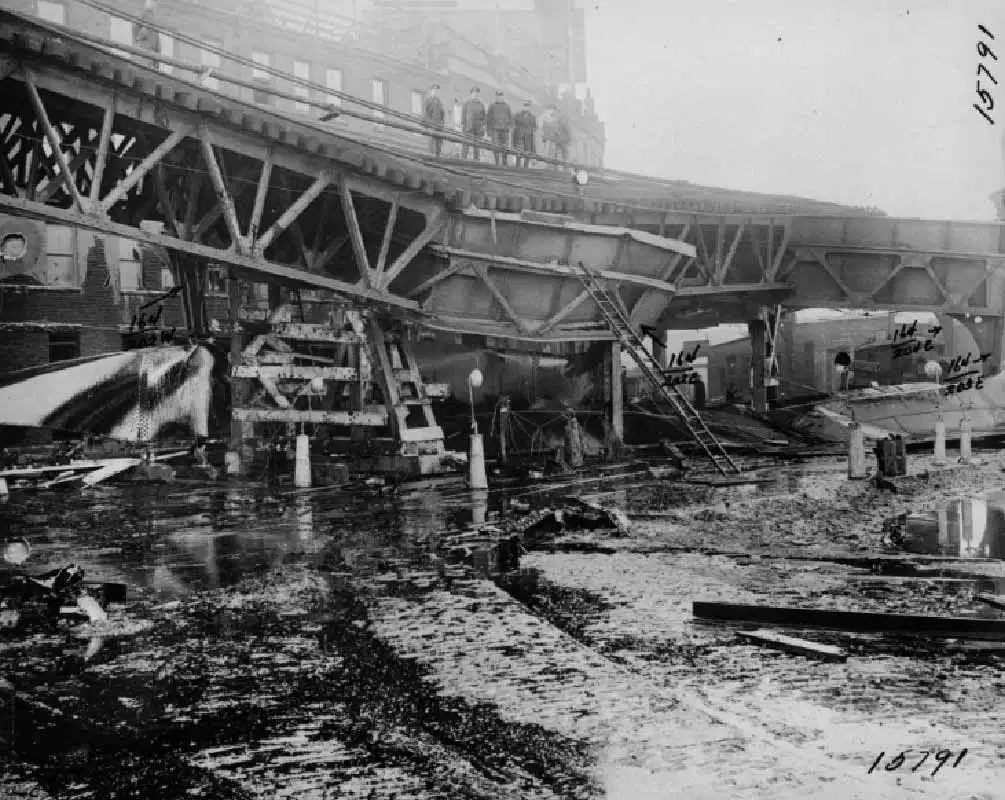
The Aftermath
Cleanup was an ordeal unlike anything Boston had seen. Firefighters and soldiers sprayed saltwater from fireboats to wash away the syrup, while sand was spread over streets to absorb it. Still, workers tracked molasses everywhere into homes, subways, and train cars. For weeks, the entire city was sticky. Locals insist the smell lingered for decades, and some say that on hot summer days in the North End, you can still catch a whiff of molasses in the air.
Record-breaking payout
The U.S. Industrial Alcohol Company, Purity’s parent, scrambled to deflect responsibility. They claimed anarchists had sabotaged the tank it was 1919, after all, and fears of radicals were high.
But the evidence was clear: the tank was poorly designed, poorly built, and never inspected. After a five-year court battle involving thousands of testimonies, the company was found liable. They paid out $628,000 in damages roughly $10 million today marking one of the first major class-action lawsuits in Massachusetts history.
Lessons in Steel and Safety
The tragedy spurred reforms in building safety. Investigators discovered the steel was brittle, lacking manganese to make it flexible in cold weather. The walls should have been twice as thick. From then on, large-scale construction required oversight by licensed engineers and stricter safety standards.
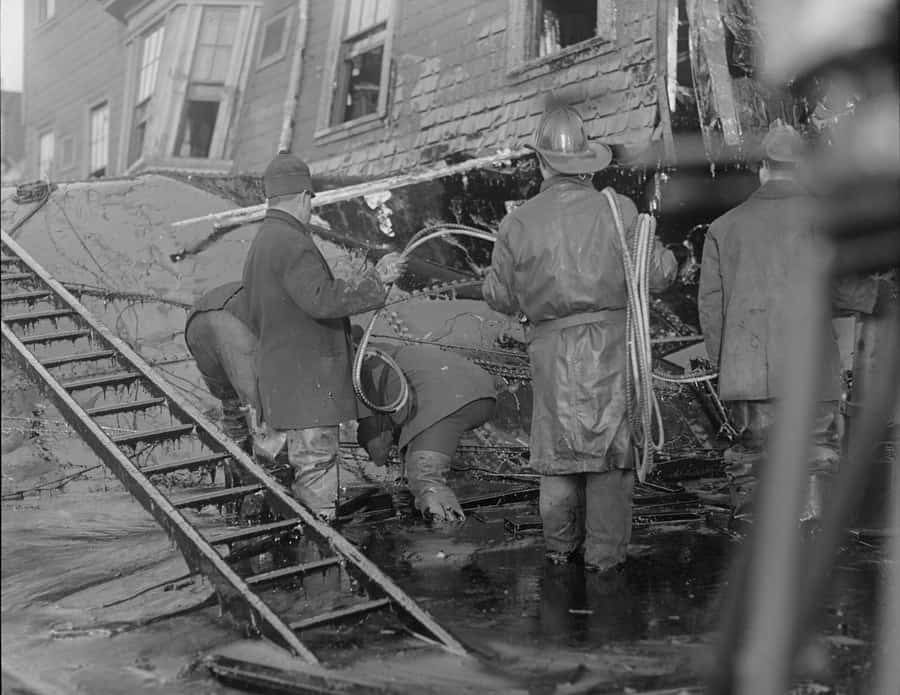
The Great Molasses Flood has become one of history’s strangest disasters. A plaque in Boston’s North End marks the spot where the tank once stood, now a playground and park. Yet the story endures, not only because of its surreal nature, but because of what it revealed: the cost of cutting corners, the danger of unchecked industry, and the resilience of a city forced to shovel, scrub, and wade through a nightmare of syrup.
More than a century later, it still feels unbelievable but it happened. Boston drowned in molasses.
I thought this story was pretty interesting and fell into this rabbit hole. But hey, that rabbit hole led me here. Here’s to all the wandering to come. Thanks for being curious with me.


 Wandering Abigail
Leave a comment